
Miraculous Ladybug Life
Budge StudiosSimulation
4.41.14K Reviews
- Version
- 2026.3.0
- Installs
- 10.00M
- Age Rating
- Everyone
Screenshots

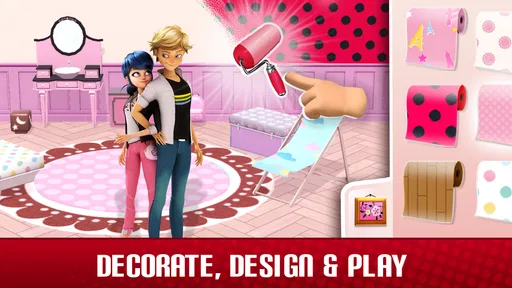
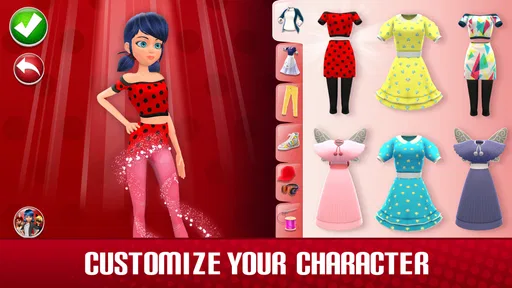




Our Review of Miraculous Ladybug Life
 Analysis by Appyee
Miraculous Ladybug Life is a free simulation game from Budge Studios that puts younger players into the colorful world of Paris’s familiar heroes. I found it easiest to understand as a relaxed mix of character play, light adventure, and dress-up rather than as a demanding action game. The goal is to help save the city while moving through activities that feel approachable for children who already enjoy Miraculous Ladybug.
The game is rated Everyone, and that rating matches its gentle presentation. It is aimed at girls and boys, although the strongest appeal will naturally go to children who like the show’s characters, costumes, and heroic theme. I would recommend it to a parent looking for a short, easy-to-follow game that encourages imaginative play. I would not choose it for someone expecting a deep simulation, complex puzzles, or the fast challenge of a traditional platform game.
What to expect when you begin
The first thing to know is that the experience is built around familiar fantasy rather than realism. You take on the role of a young hero in a stylized version of Paris, with the emphasis on exploring the setting, taking part in activities, and changing the look of characters. That combination makes it feel closer to a digital playset than a strict management simulator.
In practical terms, a child can open the game, recognize the Miraculous world, and start experimenting without needing to understand a complicated rule system. The presentation does much of the guiding. Visual prompts and character-focused scenes make the intended action fairly clear, which is useful for a first-time player who may not read quickly or may prefer tapping and trying things out.
The free download is a major advantage for families who want to test the game before spending anything. There are in-app purchases priced from $9.99 to $19.99 per item, so I would make the purchasing situation clear before handing over the device. The game is more enjoyable when the child understands which parts are available immediately and which extras may require an additional decision.
Its popularity also gives some useful context. Miraculous Ladybug Life has passed 10 million installs and holds a 4.4 average from around 109 thousand ratings. Those figures do not replace personal testing, but they suggest that the format has reached a substantial audience and that the basic idea works for many players.
I also appreciate that it does not present itself as a game only for one type of player. The dress-up side can attract children who prefer creative choices, while the hero theme gives more direction to those who want a simple mission. That balance is important because a game that offers only costume changes can feel aimless, while one that focuses only on objectives may leave creative players with little to do.
How the first session feels
For a first session, I would set aside a few quiet minutes rather than giving it to a child during a rushed moment. The opening is easier to enjoy when the player can look at the characters, notice the available choices, and learn the rhythm of tapping through the game. The first meaningful success is not about mastering a difficult control scheme; it is about completing an activity and seeing how the hero theme, exploration, and customization fit together.
That makes the game suitable for short after-school play. A child can spend a little time helping with a heroic activity, then switch attention to appearance choices without having to commit to a long competitive match. In my experience, that kind of flexible session is one of its best qualities. It works as a small daily activity instead of demanding a large block of time.
The trade-off is that players who want constant novelty may find the pace too gentle. The game’s appeal depends heavily on enjoying the characters and the world. If a child does not know or care about Miraculous Ladybug, the familiar references will not provide much extra motivation, and the simpler activities may feel limited compared with a larger open-world game.
Getting started without confusion
Before a child plays independently, I would go through the first setup together. The game runs on Android devices using at least version 5.1, and it is also available for iOS. Checking the device’s operating system before installing is a sensible first step, especially on an older family phone or tablet. It avoids turning the first experience into a frustrating installation problem.
Once installed, I would let the child watch the opening sequence and then ask them to explain what they think the next action is. This is a simple way to see whether the visual instructions are clear for that particular player. Younger children may understand the goal immediately but still need help recognizing when a tap, swipe, or selection has been accepted.
The developer is Budge Studios, a name associated with children’s mobile entertainment, and the age rating makes the intended audience clear. Even so, I would not assume that every child will manage the purchasing prompts alone. A free game with optional paid items can be perfectly reasonable, but family rules should be decided before play rather than in the middle of an exciting costume or hero moment.
One useful habit is to treat the first visit as a guided tour. Let the player try the main activity first, then explore the dress-up choices. If they start with customization, they may spend the whole session changing appearances without discovering how the heroic side works. If they start with the mission-like activity, the costume options become a reward or a creative follow-up instead of the only thing they notice.
Another practical tip is to avoid correcting every tap. Children often learn these games by testing the interface. I would step in only when they are genuinely stuck or when a purchase decision appears. That gives them ownership of the experience while still keeping the session safe and understandable.
Finding the first meaningful success
The best early target is simple: complete one activity from beginning to end, then return to the character or outfit choices with a clear sense of what was accomplished. This gives the player a small story arc. They are not merely tapping random objects; they are acting as a hero, finishing a task, and deciding how the character should look afterward.
For a child who needs more structure, I would use a spoken sequence such as “choose the activity, follow the prompt, finish the action, then customize.” That routine makes the game easier to remember without turning play into a lesson. It also helps parents see whether the child enjoys the adventure part, the creative part, or both.
The dress-up element deserves more attention than it may receive at first. It can be a useful way for children to make choices, compare combinations, and express a preferred version of the character. I would encourage them to explain why they chose an outfit rather than simply rushing through the options. That turns a short customization moment into a small creative exercise.
At the same time, I would keep expectations realistic. Dress-up does not automatically mean unlimited freedom, and a simulation label does not mean the game behaves like a detailed city-building or life-management title. The experience is streamlined for accessibility. That is helpful for its intended audience, but it also means older players may quickly understand the available pattern.
A realistic everyday use case would be a child playing for a short period while a parent prepares dinner. The child can complete a focused activity, make a few appearance choices, and stop without needing to coordinate with other players or maintain a long online session. I would still recommend checking in occasionally, particularly if the child is new to games with optional purchases.
Common points of confusion
The most likely confusion is the difference between playing as a hero and simply decorating a character. The game presents both ideas, but they serve different purposes. If the child wants action, guide them back toward the activity or adventure path. If they want creativity, let them stay with the wardrobe choices. Neither approach is wrong, but knowing the distinction prevents the game from feeling directionless.
Another possible sticking point is expecting every tap to produce a dramatic result. This is not designed around constant high-speed feedback. Some moments are about selecting, observing, or making a visual choice. I found that children enjoy it more when they understand that not every screen is a challenge to beat; some are there to support the role-playing atmosphere.
Parents may also wonder whether the game is suitable for a child who has never played a mobile game. I think it can be, provided the first session is shared. The Everyone rating and straightforward presentation make it approachable, but individual reading ability and familiarity with touch controls still matter. A child who struggles with menus may need a short demonstration even if the game itself is age-appropriate.
The purchase structure is another area where expectations should be set early. The game costs nothing to download, but individual in-app items range from $9.99 to $19.99. I would explain that “free” means the starting download does not require payment, not that every optional item is included. This conversation is especially important because dress-up choices can make extras feel tempting to a child who is already invested in the characters.
There is also a difference between this game and the usual alternatives in the simulation category. A traditional life simulator may offer broader routines, more resource management, or a larger world to control. A dedicated dress-up app may provide more clothing-focused experimentation. A platform adventure may offer tighter timing and greater challenge. Miraculous Ladybug Life sits between those styles, using the licensed world to give simple activities and customization a shared purpose.
That middle position is its strength for younger fans and its weakness for specialist players. It is less intimidating than a complex simulator and more goal-oriented than a purely decorative app. However, a child who wants deep building systems should look elsewhere, while a player seeking demanding reflex gameplay will probably outgrow the challenge sooner.
Making the next step worthwhile
After the first successful activity, I would encourage the player to try a different kind of interaction instead of repeating the same action immediately. For example, move from a heroic task to appearance customization, or from choosing an outfit to exploring another available part of the Paris setting. This keeps the session varied and reveals whether the game’s full appeal matches the child’s interests.
A helpful approach is to create small personal goals. One session might focus on completing an activity independently. Another might involve creating a favorite character look. A third could be about showing a parent how the game works. These goals do not add artificial pressure; they simply give a child a reason to explore beyond the first few taps.
I would also pay attention to how the player reacts to repetition. If they enjoy returning to the same characters and activities, the game may become a comfortable regular choice. If they ask for more difficult challenges after only a few sessions, that is a sign that a more advanced adventure or simulation would suit them better. The right decision is not whether the game is universally deep, but whether its gentle format matches this player.
The current version is 2026.3.0, so keeping the installation updated is sensible when the platform offers an update. I would not make updates the center of the experience, but current software generally gives families the smoothest opportunity to use the game as intended. The release date was January 9, 2023, which also helps place it as an established title rather than a brand-new experiment.
For families comparing platforms, the important question is less about changing the style of play and more about which device the child uses comfortably. Android support begins with version 5.1, while iOS users can choose the Apple version. A larger tablet screen may make character details and touch targets easier for a young player than a small phone, especially during the first guided session.
I would skip this game if the main requirement is a completely open-ended simulator with extensive systems, or if the player dislikes branded characters and prefers original worlds. I would also look for another option if avoiding all in-app purchasing is a strict household rule. Even though the download is free, the presence of paid items means the family needs a clear boundary.
On the other hand, I think it is a good choice for a young Miraculous fan who wants a low-pressure way to act out heroic stories and change character appearances. It is especially useful when the goal is a short, self-contained activity rather than a long campaign. The game gives enough direction to prevent a new player from feeling lost, while still leaving room for personal choices.
My final recommendation is to install it with the first session planned as a shared introduction. Show the child how to begin an activity, let them complete one meaningful action, and then give them time to explore the dress-up side. Set expectations about optional purchases before play. With that small amount of preparation, Miraculous Ladybug Life becomes an approachable children’s simulation game rather than a confusing collection of taps.
I enjoyed its balance of recognizable heroes, light adventure, and creative customization, even though I would not call it a deep simulator. Its strongest feature is the easy path from installation to a first success: a child can understand the theme, complete a simple activity, and immediately see a personal result. For the right audience, that reassuring rhythm is more valuable than complexity. Choose it for gentle hero play and dress-up, not for advanced simulation or demanding action.
Verdict
Strengths of Miraculous Ladybug Life
- Colorful visuals capture the charm of the Miraculous universe.
- Simple controls make it accessible for younger players.
- Familiar characters add extra appeal for series fans.
- Short activities suit quick play sessions.
- Unlockable content gives children goals to work toward.
Limitations of Miraculous Ladybug Life
- Some activities may feel repetitive after extended play.
- The target audience is quite young, limiting adult appeal.
- Progression can be slower without optional purchases.
- Device storage space may be needed for additional content.
- Parents should review in-app purchase settings before play.
Other Releases by Budge Studios
View All
Hello Kitty Nail Salon
Casual4.5

Barbie Dreamhouse Adventures
Simulation4.2

Thomas & Friends: Go Go Thomas
Racing4.4

Hot Wheels Unlimited
Racing4.5
Similar Picks in This Category
View All
Truckers of Europe 3
Wanda Software4.3

Town Building Life Simulator
XGame Global4.2

Fidget Toys Trading・Pop It 3D
Freeplay Inc4.7

Sculpt People
CrazyLabs LTD4.4

Scary Teacher 3D
Z & K Games4.2

Hair Tattoo: Barber Shop Game
CASUAL AZUR GAMES4.3
Frequently Asked Questions
What is Miraculous Ladybug Life?
Miraculous Ladybug Life is a mobile game inspired by the animated world of Miraculous Ladybug. It lets players interact with familiar characters, explore themed activities, complete missions, and enjoy casual gameplay designed for younger audiences and fans of the series. The experience focuses more on exploration, customization, and simple challenges than on complex strategy or competitive multiplayer action.
Is Miraculous Ladybug Life free to download and play?
The game can generally be downloaded without an upfront purchase, but availability and pricing may vary depending on whether you use Android or iOS. Some content may be locked behind in-app purchases, including additional characters, locations, outfits, or activities. Parents should review the store listing and device purchase settings before allowing children to play, especially if payment information is saved.
Does Miraculous Ladybug Life require an internet connection?
An internet connection may be needed for the initial download, updates, advertisements, account-related features, or restoring purchases. Some basic activities may work offline after the required files have been installed, although the exact offline functionality can depend on the device and game version. For the smoothest experience, it is best to open the game online at least once after installation.
Is Miraculous Ladybug Life suitable for children?
Miraculous Ladybug Life is primarily aimed at children and fans of the television series, with colorful visuals, recognizable characters, and relatively accessible gameplay. However, parents should still check the age rating, advertising, privacy information, and in-app purchase options in their region. Younger players may need help understanding menus, managing purchases, or navigating any external links included in the application.
What devices are compatible with Miraculous Ladybug Life?
Compatibility depends on the current version of the game and the requirements published on the Google Play Store or Apple App Store. Before downloading, check the listed operating-system version, available storage, and supported device information. Older phones and tablets may experience slower loading, reduced performance, or installation problems. Keeping the device software updated can also help prevent crashes and compatibility issues.
Play our best games!


